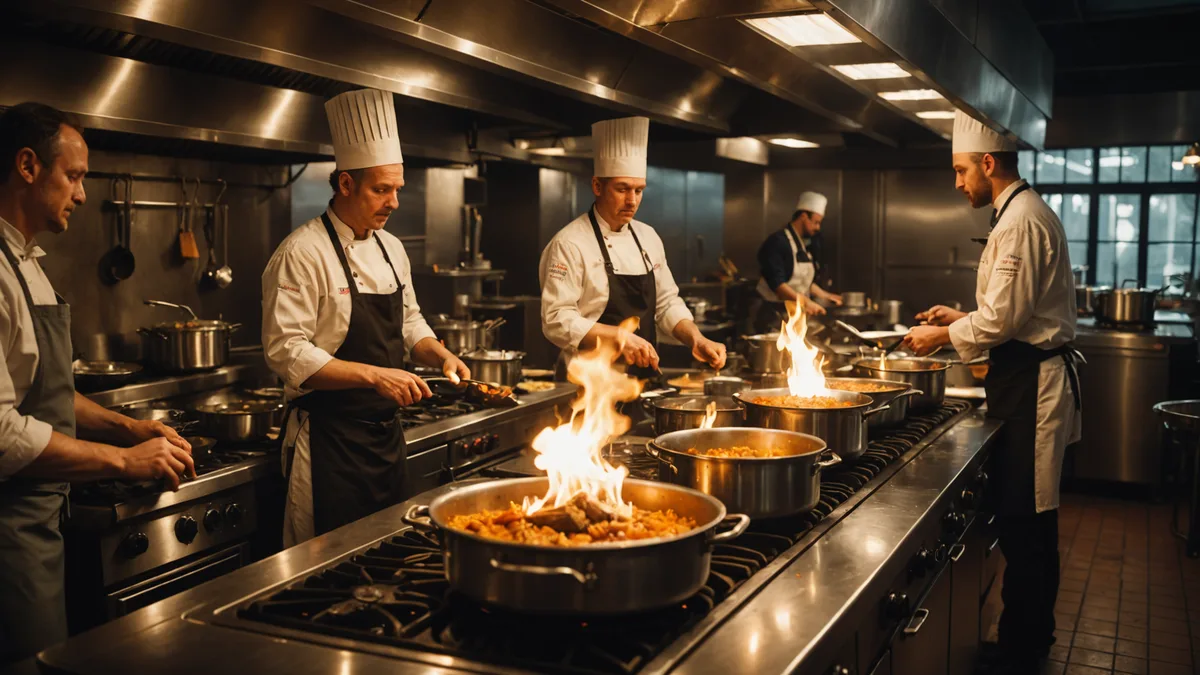
The phone rings during dinner service and nobody moves. Your server is carrying four plates. The line cook has three tickets up. The host, if you have one, is managing a walk-in at the door. Everyone hears it. Nobody has a free hand.
This is not a discipline problem or a staffing oversight. It is a structural conflict built into how restaurants are staffed. You hire every person for a job on the floor, and those jobs do not include stopping to answer the phone at 7 PM on a Friday. The phone is an interruption from outside the service model, and it arrives at exactly the wrong moment.
The dinner rush is when your restaurant makes most of its weekly revenue. It is also when the phone creates the most damage, because the callers ringing during that window are not asking abstract questions. They are calling to place an order or book a table tonight. They want to spend money with you right now, and the phone going unanswered is a direct conversion failure.
Why Dinner Service Creates a Phone Bottleneck
Independent restaurants staff to handle the floor, which is exactly right. But it creates a problem with the phone during peak hours. When a server breaks away to answer a call mid-service, research on task-switching suggests they lose three to five minutes of effective floor attention after they hang up, not just the 90 seconds they were on the call. For a server with three tables in active rotation, that is a meaningful quality hit.
The timing makes it worse. Inbound call volume at a 45 to 60-seat independent restaurant typically peaks between 6 PM and 8:30 PM on Thursdays through Sundays. That two-and-a-half-hour window is exactly when every person in the building is working hardest. The phone demand and the staffing crunch land at the same time.
The traditional fixes do not resolve the underlying conflict. Designating one person to handle phones during service still divides that person between the floor and the call queue, and the floor usually wins. Letting calls go to voicemail costs you the order. Hiring a dedicated phone person for a few hours of peak service four nights a week is not financially viable for most independent restaurants running on typical hospitality margins.
What Callers Actually Want at 7 PM
When we analyzed call data from our pilot restaurants over their first 30 days with Loman, the breakdown was consistent: roughly 45 percent of dinner-service calls were takeout orders, 30 percent were reservation requests or wait time questions, and the remaining 25 percent were menu questions, directions, and general inquiries.
That first 75 percent, orders and reservations, are structurally routine. The caller knows what they want. They need to give you information, get confirmation, and end the call. Nothing in that exchange requires your staff to exercise creative judgment or emotional intelligence. The call has a defined beginning, middle, and end, and the output is a specific piece of information your kitchen or host needs.
The remaining 25 percent are harder, and they deserve different treatment. We will come back to that.
The Revenue Cost of Not Answering
When a dinner-service call goes unanswered, most callers do not leave a voicemail. Pilot data from eight restaurants showed voicemail capture rates of 28 to 35 percent for calls that rang out during service. The other 65 to 72 percent hung up and found another option.
For a takeout order at a typical average value of $38 to $45, a missed call is a missed order. For a reservation call representing a party of four, expected cover revenue at a neighborhood restaurant runs $140 to $200. A restaurant missing ten to fifteen calls per dinner shift, spread over four busy nights per week, is looking at a meaningful monthly revenue gap that is invisible on the P&L because there is no line item for orders that never came in.
The number is usually bigger than owners estimate when they first think about it. The calls that ring out during service feel like background noise when you are in the middle of running a room. They feel different when you do the math.
Removing the Phone from the Floor
The solution that actually works is structural: take the phone out of the pool of tasks your floor staff manages during service. When Loman is running, an incoming call is answered in under two rings using your restaurant's name and greeting. The call is handled. A notification reaches your staff within seconds of the call ending, formatted with what they need: item, quantity, pickup time for orders; party name, size, and time for reservations.
Nobody on the floor heard the phone ring. Nobody had to stop what they were doing. The caller was handled. Service continues.
This is different from "hire a host" because a host is still a body in your physical space competing with the floor for attention during service peaks. Loman takes the phone off the floor entirely. The two tasks stop competing.
For a 52-seat Tex-Mex restaurant in Austin's East Side neighborhood that joined our pilot in early 2026, the change in the first week was mostly invisible in the best possible way. Takeout order volume went up on Friday and Saturday. Staff did not have a visible change in behavior. What changed was that nobody was listening for the phone anymore, and the low-grade friction of "someone needs to get that" was gone from the floor.
Where AI Handling Has Real Limits
We are not claiming AI phone answering handles every call well. That would be a significant overstatement, and it is worth being specific about where the limits are.
Complex complaints need a person. A guest calling to say their last visit was disappointing needs to speak with a human being who can respond with genuine care for their experience. Loman captures the context and flags it for immediate human follow-up. That callback should happen the same evening to be meaningful.
Long-standing regulars sometimes call to connect, not to transact. A caller who has been coming in every week for four years and wants to ask if you are still doing the Tuesday short rib special is not making a structured request. Loman answers the surface question, but it does not replace the relationship. Those calls should route to a person when possible.
Catering or large-party inquiries that require real negotiation belong with a manager who has the authority to make commitments. Loman captures the inquiry and schedules a callback rather than attempting to close something it cannot actually close.
The right framing is: Loman handles the 75 percent of dinner-service calls that are routine and structured, so your team has the bandwidth to handle the 25 percent that genuinely require a person. That is the bottleneck it removes. The calls that need a human still get one.
The Detail That Makes It Work in Practice
Most restaurants that add Loman during dinner service see two changes in the first week. First, takeout order volume goes up, not from new marketing but because the calls that were ringing out are now answered. Second, floor staff stop listening for the phone, removing a background distraction that affects service quality even when nobody consciously registers it.
The detail that determines whether the system actually fits into service is notification format. A subject line that reads "Order: 2 al pastor tacos, 1 horchata, pickup 8:20 PM" is processed in three seconds by anyone in your kitchen. A generic notification that says "you have a new message from Loman" gets opened when someone has time, and during dinner service that may be never. Getting the notification format right in the first few days is the single most important tuning adjustment.
If you are evaluating AI phone answering for your restaurant, start by looking at your busiest two-hour window. Count how many calls come in during that window. Then estimate how many get answered. The gap between those two numbers is what the bottleneck is actually costing you.